Introduction – Hiking The Lost City Colombia
Hiking The Lost City Colombia is one of the most extraordinary wilderness adventures on the planet — a multi-day jungle expedition that takes you deep into the Sierra Nevada de Santa Marta, the world’s highest coastal mountain range. At the heart of this journey lies Ciudad Perdida (Spanish for “The Lost City”), an ancient pre-Columbian settlement built by the Tayrona civilization around 800 AD — predating Peru’s Machu Picchu by roughly 650 years.
This legendary Colombia jungle trek spans 4 to 6 days, weaving through dense tropical rainforest, across river crossings, past cascading waterfalls, and through living indigenous villages. It is not just a hike — it is a cultural, historical, and physical immersion unlike anything else in South America.
Whether you are a seasoned adventure traveller, a wildlife photographer, a history enthusiast, or simply someone chasing an off-the-beaten-path experience, the Lost City Trek Colombia delivers memories that will stay with you for a lifetime. This comprehensive Path to Places guide covers everything: best time to go, tour operators, packing essentials, cultural etiquette, safety tips, and what to expect each day on the trail.
Why The Lost City Trek Is Truly Legendary
1. An Ancient Archaeological Wonder Hidden in the Jungle
Ciudad Perdida was constructed by the Tayrona people on the steep slopes of the Sierra Nevada. Comprising over 169 terraces, ceremonial plazas, stone pathways, and drainage systems, the site remained hidden from the outside world until its rediscovery in 1972. Unlike heavily commercialised sites such as Machu Picchu or Angkor Wat, Ciudad Perdida remains refreshingly raw and atmospheric — accessible only on foot, with no roads or cable cars. The archaeological significance of this site is comparable to any UNESCO World Heritage landmark in Latin America.
2. An Immersive Tropical Rainforest Experience
The trail itself is as rewarding as the destination. Trekkers navigate muddy jungle paths, river fords, steep ascents, and canopy-covered ridgelines. The Sierra Nevada de Santa Marta is one of the most biodiverse regions on Earth, home to howler monkeys, toucans, morpho butterflies, poison dart frogs, and hundreds of endemic bird species. Every kilometre of this Colombian rainforest hike feels like stepping deeper into a living, breathing ecosystem.
3. Authentic Connection with Indigenous Communities
One of the most profound aspects of the Lost City Trek is the opportunity to walk through territories inhabited by the Kogi, Wiwa, and Arhuaco peoples — indigenous communities who have lived in the Sierra Nevada for centuries and consider Ciudad Perdida a sacred site. Along the trail, trekkers pass through their villages, gaining rare glimpses into ancestral rituals, traditional architecture, sustainable farming practices, and a worldview rooted in harmony with nature. This is responsible, community-based tourism at its most authentic.
4. A Genuine Physical and Mental Challenge
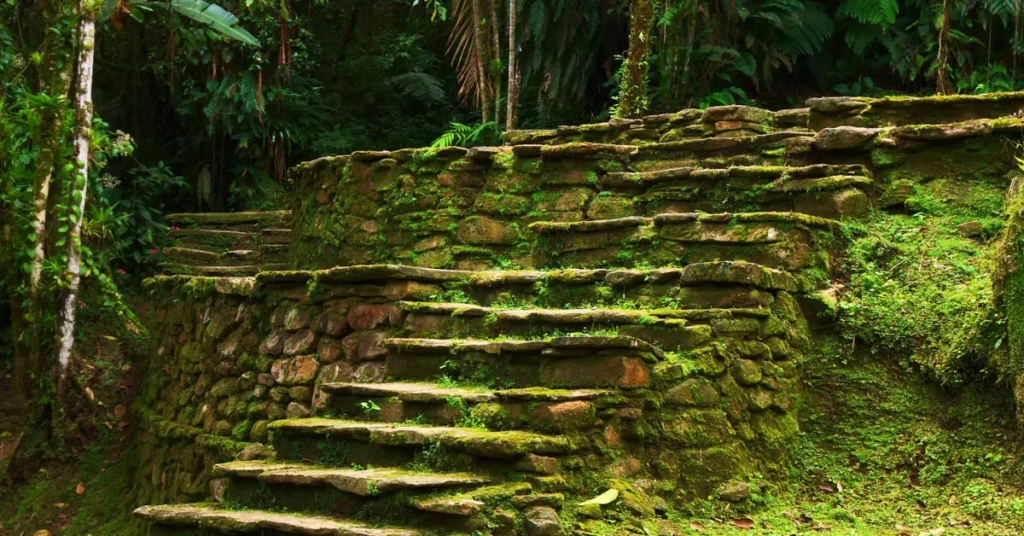
The Lost City Colombia hike is not for the faint-hearted. Cumulative elevation gain, tropical heat, humidity, and river crossings demand real stamina and mental resilience. However, the trail is accessible to moderately fit travellers who prepare adequately. The sense of achievement upon reaching the 1,200 stone steps leading to the terraces of Ciudad Perdida is simply incomparable — a reward that few other treks in the world can match.
When to Go: Best Time for the Lost City Trek
Peak Season (Recommended): December to March
The dry season between December and March offers the most comfortable trekking conditions. Trails are firmer, river crossings are shallower and safer, and the jungle canopy glows in vibrant greens under clear skies. This window is ideal for wildlife spotting, landscape photography, and fully enjoying the panoramic mountain views from Ciudad Perdida’s upper terraces.
Secondary Dry Window: July to August
A shorter dry spell in mid-summer also provides reasonably good conditions. Expect slightly higher trail traffic during international school holidays, but the weather remains manageable for most trekkers.
Rainy Season — Approach with Caution: April–May and September–November
The Sierra Nevada receives significant rainfall during these months. Trails become extremely slippery and muddy, rivers swell considerably, and flash flooding can occur. While experienced trekkers sometimes venture out during the wet season for a more dramatic jungle atmosphere and fewer crowds, it comes with genuine risks. The Colombian military occasionally suspends access to Ciudad Perdida during severe weather events.
Practical Timing Tips
- Start each hiking day before 7:00 AM to benefit from cooler temperatures and golden-hour jungle light.
- Weekday treks are noticeably quieter than weekend departures — opt for a Monday or Tuesday start where possible.
- Book your tour at least 4–6 weeks in advance during peak season, as group sizes are capped by licensed operators.
- Pack a lightweight rain poncho regardless of season — afternoon showers are common even in dry months.
How to Get There: Reaching the Trek Starting Point
Base City: Santa Marta, Colombia
All Lost City tours depart from Santa Marta, a coastal city on Colombia’s Caribbean coast. Santa Marta is well-connected by domestic flights from Bogotá, Medellín, and Cartagena. The city itself is worth exploring — vibrant, historic, and home to excellent seafood and colonial architecture.
Getting to the Trailhead at Machete Pelao
From Santa Marta, your tour operator will arrange a 4×4 jeep transfer (approximately 2.5–3 hours) to the village of Machete Pelao, where the trek officially begins. The drive itself is an adventure — winding mountain roads, river crossings, and sweeping views of the Caribbean coastal range.
Choosing a Tour Operator: What You Need to Know
The Lost City Trek is only accessible through licensed tour operators — independent hiking is strictly prohibited to protect both the site’s integrity and trekker safety. The Colombian government regulates access through a consortium of approved agencies.
Top Licensed Operators (2025)
- Magic Tour Colombia – One of the original operators, well-regarded for knowledgeable guides and quality campsites.
- Wiwa Tour – Community-led operator run in partnership with Wiwa indigenous families; excellent for cultural immersion.
- Expotur – Experienced operator offering well-organised logistics and English-speaking guides.
- Turcol – Competitive pricing with a solid safety record.
What’s Typically Included in the Trek Package
- Round-trip jeep transfer from Santa Marta
- All meals (breakfast, lunch, dinner) and purified drinking water
- Hammock or bunk accommodation at jungle campsites
- Certified bilingual guide (Spanish/English)
- Entry permit to Ciudad Perdida
- Basic first aid support on trail
Average Cost
A standard 4-day/3-night Lost City Trek costs between USD $350–$450 per person. Extended 5- or 6-day options run slightly higher. Prices include all essentials — tipping your guide (USD $10–$20) is customary and greatly appreciated.
Day-by-Day Trek Itinerary: What to Expect
Day 1 – Machete Pelao to Adán Camp
The first day begins with a gradual introduction to the jungle terrain. From the trailhead at Machete Pelao, trekkers descend into a river valley, cross several shallow streams, and begin the ascent through dense secondary forest. Expect 4–5 hours of hiking through farmland transitioning into rainforest. The first campsite, often called Adán Camp, sits beside a refreshing river — perfect for an evening swim after a rewarding first day.
Day 2 – Adán Camp to Paraíso Camp
Day two intensifies significantly. Trekkers tackle longer, steeper climbs into primary jungle, crossing rivers multiple times and passing through Kogi and Wiwa settlement areas. The trail narrows, the canopy closes overhead, and the sounds of the rainforest grow richer. This is typically the most physically demanding day of the entire trek. Reward yourself with a cool dip at the campsite waterfall in the evening.
Day 3 – Paraíso Camp to Ciudad Perdida and Back
The moment every trekker has been waiting for. An early morning departure brings you to the famous 1,200 stone steps — moss-covered, steep, and utterly spectacular. Ascending these ancient stairs carved by the Tayrona people themselves is a genuinely goosebump-inducing experience. At the summit, a licensed archaeologist or knowledgeable guide leads an in-depth exploration of the terraces, ceremonial plazas, water channels, and burial sites of Ciudad Perdida. Allow 2–3 hours to fully explore the site before beginning the descent back to camp.
Day 4 – Return Trek to Machete Pelao
The final day reverses the trail back to the trailhead. Many trekkers find the return journey equally beautiful — the forest looks different from the opposite direction, and the physical exertion of previous days sharpens your appreciation for every river crossing and jungle vista. Jeep transfers return you to Santa Marta by late afternoon, where a well-earned cold shower and coastal meal await.
Essential Packing List for the Lost City Trek
Clothing & Footwear
- Waterproof hiking boots with ankle support (broken in before the trek)
- Lightweight, moisture-wicking long trousers (protection against insects and sun)
- 2–3 quick-dry t-shirts or base layers
- Swimwear for river crossings and evening dips
- Lightweight rain poncho or packable waterproof jacket
- Sandals or flip-flops for campsite evenings
Health & Hygiene
- DEET-based insect repellent (30–50% concentration recommended)
- Sunscreen SPF 50+ and lip balm
- Oral rehydration salts and electrolyte tablets
- Personal first aid kit (blister plasters, antiseptic, anti-diarrhoeal tablets)
- Antimalarial medication (consult your doctor before travel)
- Biodegradable soap and shampoo (required near river campsites)
Gear & Accessories
- Daypack (25–35 litres is sufficient; porters can carry additional weight)
- Trekking poles (optional but highly recommended for river crossings)
- Headlamp with spare batteries
- Dry bags or waterproof phone case
- Camera or GoPro for jungle and archaeological photography
- Cash in Colombian pesos for tips and any additional purchases (no ATMs on trail)
Physical Fitness: How Fit Do You Need to Be?
The Lost City Trek is rated moderate to challenging. You do not need to be an elite athlete, but you should be reasonably fit and comfortable walking for 6–8 hours per day on uneven terrain. The combination of tropical heat, humidity, and river crossings adds difficulty beyond what elevation statistics alone suggest.
Recommended preparation includes:
- Regular cardiovascular training (running, cycling, swimming) for 4–6 weeks before departure
- Day hikes with a loaded daypack to condition your feet and joints
- Stair climbing to simulate the 1,200 steps at Ciudad Perdida
Trekkers aged 15 to 65 regularly complete this trail successfully. Children under 12 and individuals with significant mobility limitations are generally advised against attempting the route.
Cultural Etiquette: Respecting Indigenous Communities
The trail passes through territories belonging to the Kogi, Wiwa, and Arhuaco peoples — communities with deep spiritual and ancestral connections to the land. Responsible trekking requires genuine cultural respect:
- Always ask permission before photographing indigenous community members or their homes.
- Do not enter sacred areas or ceremonial spaces without explicit guide permission.
- Avoid distributing sweets, money, or gifts to children — this practice disrupts community dynamics and is actively discouraged by indigenous leaders.
- Purchase handmade crafts directly from community members at fair prices — woven bags (mochilas) and beaded jewellery make meaningful, ethical souvenirs.
- Keep voices low near villages, particularly in the early morning and evening hours.
Safety on the Lost City Trek: What Travellers Should Know
The Lost City Trek Colombia has an excellent safety record when undertaken through licensed operators. The Colombian military maintains a visible presence along the trail specifically to protect trekkers and preserve the site. Historical security concerns from the early 2000s are long resolved — the route is now considered one of Colombia’s safest adventure tourism experiences.
Key Safety Considerations
- Stay with your group at all times — the jungle is dense and disorientation risk is real if you stray from marked paths.
- Follow your guide’s instructions at all river crossings, especially after rainfall when currents intensify.
- Drink only purified or filtered water — your operator provides this, but carry personal purification tablets as backup.
- Inform your guide immediately if you experience symptoms of heat exhaustion, dehydration, or any injury.
- Purchase comprehensive travel insurance that explicitly covers jungle trekking and medical evacuation before departure.
Lost City vs. Machu Picchu: How Do They Compare?
Travellers frequently ask how the Ciudad Perdida trek compares to the Inca Trail and Machu Picchu. Both are extraordinary pre-Columbian archaeological sites set amid dramatic mountain scenery, but they offer very different experiences:
- Crowds: Ciudad Perdida sees a fraction of Machu Picchu’s visitor numbers — daily access is capped at approximately 200 trekkers, preserving an authentic wilderness atmosphere.
- Jungle vs. Andean Highlands: The Lost City Trek is a tropical rainforest adventure; the Inca Trail is a high-altitude Andean experience. Both are spectacular but suit different physical and aesthetic preferences.
- Accessibility: Machu Picchu can be reached by train; Ciudad Perdida requires hiking — it is a purer wilderness experience by necessity.
- Cultural Encounter: The living indigenous communities along the Lost City trail create a uniquely personal human dimension absent from most Machu Picchu visits.
If you love multi-day jungle trekking adventures, you might also enjoy reading about Into the Wild Jungle of Borneo – Adventure Travel Across Malaysia & Indonesia — another extraordinary wilderness experience for serious jungle explorers.
Accommodation on the Trail: Jungle Campsites
Accommodation along the Lost City Trek is basic but atmospheric. Campsites are set at strategic intervals along the trail, typically beside rivers or within jungle clearings. Each site offers:
- Hammocks or bunk beds under covered open-air shelters (bring your own sleeping bag liner)
- Cold-water showers (genuinely refreshing in the tropical heat)
- Basic flush or pit toilets
- Communal dining areas where hearty, home-cooked Colombian meals are served
Wi-Fi and mobile connectivity are non-existent on the trail — embrace the digital detox. This is genuinely one of the most refreshing aspects of the experience for many trekkers.
Food and Nutrition on the Trek
All meals are prepared and served at campsites by cooks employed by your tour operator. Expect hearty, calorie-rich Colombian cuisine designed to fuel long hiking days:
- Breakfast: Eggs, arepas, fruit, coffee, and juice
- Lunch: Rice, beans, grilled chicken or fish, plantain, and salad
- Dinner: Soup followed by a main course, often including lentils, vegetables, and meat
Vegetarian and vegan options are available if requested in advance. Carry high-energy trail snacks (nuts, energy bars, dried fruit) for sustained energy between meals on longer hiking days.
Sustainable and Responsible Tourism at Ciudad Perdida
The Lost City is a fragile archaeological site embedded within living indigenous territory. Sustainable tourism practices are not optional — they are essential for preserving this extraordinary place for future generations:
- Carry all waste out of the jungle — leave no trace principles apply strictly throughout the trail.
- Use only biodegradable toiletries to protect river ecosystems.
- Support community-led tour operators such as Wiwa Tour, where indigenous families directly benefit from tourism revenue.
- Respect daily visitor caps and access regulations — these exist to protect both the site and indigenous communities.
- Offset your travel carbon footprint through reputable environmental organisations before departure.
For more inspiration on culturally rich, adventure-focused travel in Asia, explore our guide to Sri Lanka Adventure Travel – Beaches, Mountains & Ancient Wonders — another destination that beautifully blends nature, history, and indigenous heritage.
Frequently Asked Questions – Lost City Trek Colombia
Is the Lost City Trek safe for solo female travellers?
Yes. The Lost City Trek is widely considered safe for solo female travellers when booked through a licensed operator. Group departures mean you will always be trekking alongside other travellers and a certified guide. The military presence along the trail adds an additional layer of security. Many women trek this route solo every year without incident.
Do I need a visa to visit Colombia?
Citizens of the USA, UK, EU, Canada, and Australia do not require a visa for tourist visits to Colombia of up to 90 days. Check current entry requirements with your national embassy or the Colombian government’s official immigration portal before travel.
Can I hire a porter for the trek?
Yes. Most operators can arrange for a local porter (cargador) to carry your main pack for an additional fee (approximately USD $50–$80 for the full trek). This is a great option for travellers concerned about physical demands, and directly provides income to local community members.
Is there mobile signal or Wi-Fi on the trail?
No. There is no reliable mobile signal or internet connectivity along the route. Inform family and friends of your itinerary and expected return date before departing Santa Marta. Emergency communication is handled through your tour operator’s radio system.
What currency should I bring?
Colombian pesos (COP) are the only currency accepted in rural communities along the trail. Withdraw sufficient cash in Santa Marta before departure — there are no ATMs between the trailhead and the city.
Beyond the Trek: Exploring the Wider Sierra Nevada Region
After completing the Lost City Trek, most travellers spend a few days recovering and exploring the stunning Caribbean coast of Colombia. Santa Marta serves as an excellent base:
- Tayrona National Park – A protected coastal reserve combining white-sand beaches, coral reefs, and jungle trails just 45 minutes from Santa Marta.
- Minca – A cool mountain village above Santa Marta, famous for birdwatching, coffee farms, and spectacular Sierra Nevada views.
- Cartagena – Colombia’s stunning colonial-era walled city, just 4 hours by bus from Santa Marta, offering a completely different urban travel experience.
- Palomino – A laid-back beach town east of Santa Marta, ideal for tubing down the Palomino River and relaxing after the trail.
If you enjoy combining jungle adventures with cultural city exploration, our guide to Vietnam Adventure Travel – From Mountain Trails to Coastal Waves offers similar multi-dimensional travel inspiration across Southeast Asia.
Final Thoughts – Is Hiking The Lost City Colombia Worth It?
Absolutely — without reservation. The Lost City Trek Colombia is one of those rare travel experiences that delivers on every level: physical challenge, cultural depth, historical wonder, and ecological magnificence. Ciudad Perdida is not simply a destination; it is a journey that transforms your perspective on ancient civilisations, indigenous communities, and the extraordinary resilience of the natural world.
In an era of increasingly commodified travel, the Sierra Nevada de Santa Marta jungle trek remains delightfully raw, demanding, and authentic. It rewards preparation, punishes complacency, and generously offers some of the most memorable moments any traveller will experience in a lifetime of global exploration.
Plan carefully, respect the land and its people, choose a responsible operator — and then surrender yourself to one of the most legendary jungles on Earth.
