Introduction – Discover the Magic of Spain
If you’ve ever dreamed of exploring cobblestone streets, lively tapas bars, and golden coastlines, this Spain travel guide is for you. Spain is one of Europe’s most diverse destinations from the flamenco rhythms of Andalusia to the modern architecture of Barcelona and the historic charm of Madrid.
Whether you’re visiting Spain for the first time or planning a return trip, you’ll discover a country filled with passion, color, and unforgettable experiences. Let’s dive into everything you need to know before your journey, including when to go, how to get around, and the must-see places you shouldn’t miss.
Spain travel guide:
When to Visit Spain – Tips from Your Spain Travel Guide
Spain’s weather varies from region to region, but generally, spring (April–June) and fall (September–November) are the best times to visit.
🌸 Spring (April–June) – Perfect Weather & Festivals
Spring brings mild temperatures and blooming landscapes across Spain. Cities like Seville and Valencia come alive with outdoor festivals such as Feria de Abril and Las Fallas.
☀️ Summer (July–August) – Beach Lovers’ Paradise
Summer is hot, especially in southern regions like Andalusia. If you love the beach, head to the Costa del Sol, Ibiza, or Canary Islands. Remember to book early, as this is peak tourist season.
🍂 Autumn (September–November) – Ideal for Sightseeing
Autumn is one of the most comfortable times to explore Spain. The crowds thin, prices drop, and the weather stays pleasant — perfect for visiting Barcelona, Madrid, or Granada.
❄️ Winter (December–February) – Cozy Cities & Ski Resorts
Winter is mild in most of Spain, but the Pyrenees and Sierra Nevada mountains offer great skiing. It’s also a quiet time to explore cultural cities without the rush.
Entry Requirements & Travel Essentials
Visa and Entry
Citizens from the EU, UK, USA, Canada, and Australia can visit Spain visa-free for up to 90 days. Make sure your passport is valid for at least six months after your arrival.
Currency
Spain uses the Euro (€). Credit cards are widely accepted, but it’s wise to carry some cash, especially in rural towns or markets.
Language
The official language is Spanish (Castellano), though Catalan, Basque, and Galician are also spoken regionally. English is common in major tourist areas.
Travel Insurance
Always travel with comprehensive travel insurance. Spain’s healthcare system is excellent, but coverage for emergencies will give you peace of mind.
Transportation in Spain – A Spain Travel Guide
Spain has one of the best transport networks in Europe, making it easy to explore from city to city.
High-Speed Trains (AVE)
Spain’s AVE train system connects major cities like Madrid, Barcelona, Seville, and Valencia in record time. It’s fast, comfortable, and scenic. Ideal for long distances.
Tip: Book early on sites like Renfe.com for discounts up to 40%.
Car Rentals for Road Trips
For exploring smaller towns, mountain villages, and hidden beaches, renting a car is a great option. Roads are well-maintained, and driving gives you flexibility.
Metro Systems in Cities
Madrid and Barcelona both have excellent metro networks, cheap, safe, and efficient for getting around the city quickly.
Buses & Rideshares
Buses connect even the most remote areas. Companies like ALSA offer affordable routes between cities. Rideshare apps (BlaBlaCar, Bolt) are also popular among locals.
Best Cities to Explore in Spain – A Spain Travel Guide
Each region of Spain offers something unique, from modern marvels to ancient landmarks. Let’s explore the top cities you can’t miss.
Madrid – Spain’s Capital of Culture
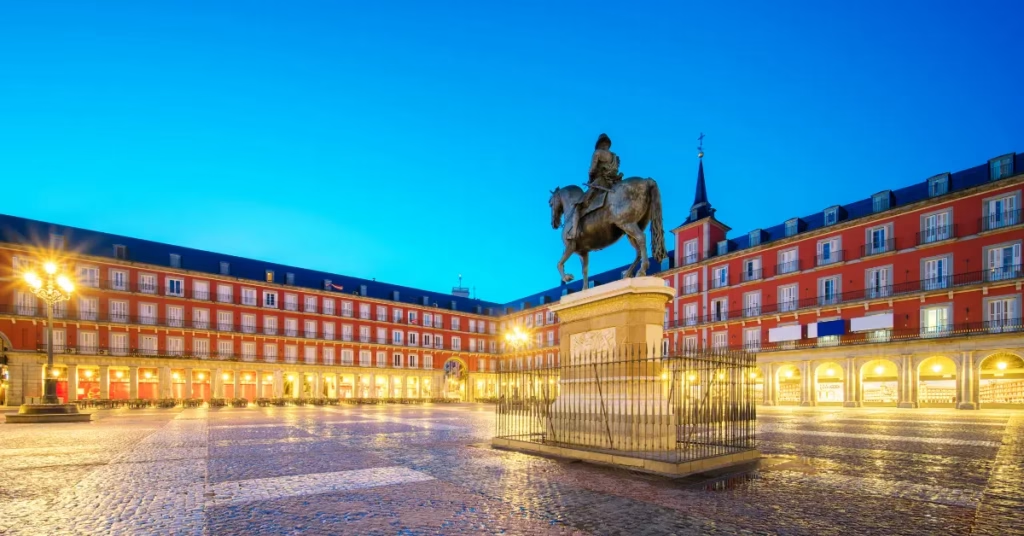
Madrid, Spain’s vibrant capital, perfectly blends historic grandeur with modern energy. From world-class museums and royal palaces to lively streets and serene parks, it offers something for every traveler.
Beyond its famous landmarks, Madrid is a city that lives in its details—the smell of fresh pastries drifting from bakery doors, the sound of guitars echoing through hidden plazas, and the warm, unhurried conversations that spill out of cafés late into the night. Whether you’re an art lover, a foodie, or an urban explorer, Madrid pulls you in with its irresistible charm.
Top Attractions
Prado Museum:
Explore masterpieces by Velázquez, Goya, and El Greco in one of the world’s top art museums. Art enthusiasts can easily spend hours wandering its halls, discovering everything from Spanish classics to stunning European collections. Don’t miss “Las Meninas,” a highlight for most visitors.
Royal Palace of Madrid:
Europe’s grandest palace, boasting opulent rooms, stunning artwork, and fascinating history. The changing of the guard, ornate halls, and sweeping courtyard views make it a must-see even for travelers who aren’t typically palace lovers.
Retiro Park:
A peaceful city oasis, ideal for picnics, leisurely walks, or boating on the lake. Stroll through rose gardens, explore the Crystal Palace, or simply relax under the shade of towering trees—this park feels like a breath of fresh air in the middle of the city.
Gran Vía:
Madrid’s bustling shopping and entertainment hub, perfect for strolling and catching a show. From designer stores to historic cinemas and rooftop bars, it’s the city’s lively heartbeat, especially at night when the neon lights glow.
Local Tip
San Miguel Market:
Sample tapas, churros with hot chocolate, and fresh local delicacies while soaking in the lively market atmosphere. It’s a foodie playground—grab small bites from different stalls to taste your way through Madrid’s culinary soul.
Madrid is best explored on foot, wandering through plazas, charming streets, and vibrant neighborhoods, making every visit memorable. Hidden gems like La Latina, Malasaña, and Chueca offer unique vibes bohemian cafés, vintage boutiques, and some of the best nightlife in Spain. Every neighborhood feels like its own little world, making discovery part of the adventure.
Barcelona Attractions for Your Spain Travel Guide
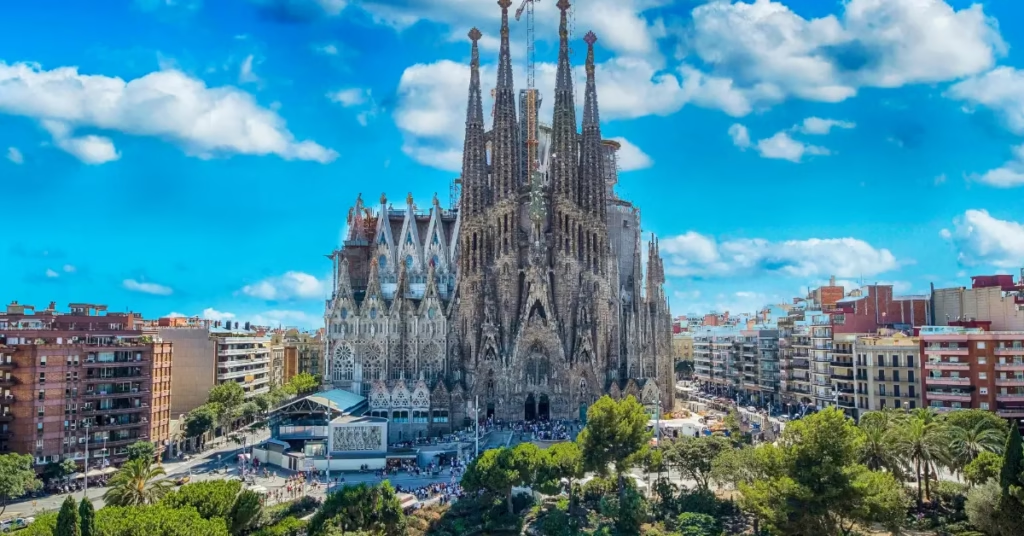
Barcelona combines seaside charm with world-famous architecture.
Must-See Spots in Barcelona
La Sagrada Familia:
Gaudí’s iconic masterpiece, still under construction, is breathtaking inside and out. Pro Tip: Book tickets online in advance to skip long lines.
In person, the basilica feels almost surreal the towering spires and intricate facades tell stories through stone, while the interior glows with colorful light streaming through stained-glass windows. Many visitors describe a sense of calm and awe as soon as they step inside, making it a must-see even if you’ve visited Barcelona before.
Park Güell:
A whimsical park filled with colorful mosaics, winding paths, and panoramic city views perfect for photography and leisurely strolls.
As you wander deeper into the park, you’ll notice how nature blends seamlessly with Gaudí’s playful designs. The famous serpentine bench, tiled with fragments of ceramic, offers a peaceful spot to sit and admire the view of Barcelona’s skyline. Early mornings or late afternoons are especially magical here, with soft light and fewer crowds.
Gothic Quarter:
Wander through narrow alleys lined with cafés, boutiques, and historic buildings, soaking up the old-world charm of Barcelona.
This neighborhood feels like stepping back in time. You can explore medieval plazas, stumble upon street musicians playing Spanish guitar, or grab a cup of coffee at a small café tucked between centuries-old stone walls. Don’t miss the stunning Barcelona Cathedral, hidden courtyards, and local artisan shops that showcase Catalan craftsmanship.
Barceloneta Beach:
Enjoy sunbathing, swimming, or people-watching along the lively Mediterranean shore.
The beach offers a refreshing break from the city’s busy streets whether you’re enjoying fresh seafood at a beachfront chiringuito, renting a bike for a seaside ride, or simply relaxing on the sand. The atmosphere is vibrant and full of energy, especially during warm summer evenings.
Barcelona combines modernist architecture, historic streets, and seaside relaxation, making every visit unforgettable.
Beyond the major attractions, what truly makes the city special is its atmosphere a blend of creativity, culture, and coastal charm. Whether you’re tasting tapas in a local bar, exploring art museums, or simply strolling through sunlit neighborhoods, Barcelona always has something new to offer.
Seville – The Heart of Andalusia
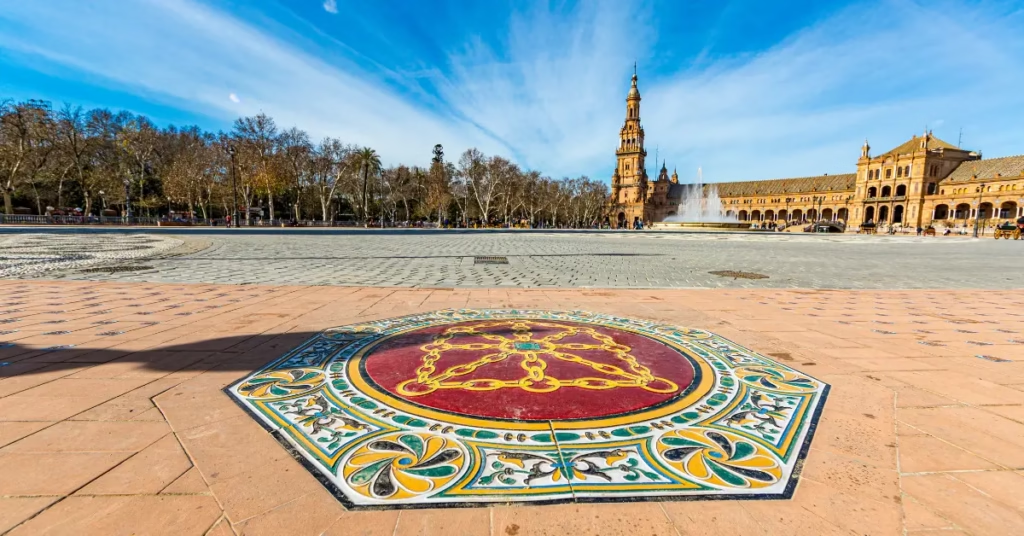
Seville captures the essence of southern Spain flamenco music, Moorish palaces, and orange-scented streets.
The city has a warmth that goes beyond the weather. From the moment you arrive, you’re greeted by lively plazas, friendly locals, and the soft aroma of orange blossoms carried by the breeze. Seville moves at its own rhythm unhurried, soulful, and deeply tied to tradition making it a destination that stays with travelers long after they leave.
Top Experiences in Seville
Seville Cathedral & La Giralda Tower:
Marvel at the largest Gothic cathedral in the world and climb La Giralda for panoramic city views. A Spain Travel Guide.
Inside the cathedral, the sheer scale is astonishing — soaring ceilings, ornate chapels, and centuries of history tucked into every corner. The climb up La Giralda is surprisingly gentle, thanks to its ramped design, and once you reach the top, you’re rewarded with sweeping views of Seville’s rooftops, bell towers, and the winding Guadalquivir River.
Alcázar of Seville:
A royal palace with stunning Mudéjar architecture and lush gardens, perfect for history and photography enthusiasts.
Walking through the Alcázar feels like entering a storybook. The intricate tilework, archways, and tranquil courtyards reveal a blend of Moorish and Christian influences. The gardens are just as enchanting filled with palm trees, fountains, and shaded pathways where you can escape the afternoon sun.
Plaza de España:
An iconic semi-circular landmark, beautifully tiled and often featured in films ideal for a leisurely walk or photo session.
Whether you’re admiring the hand-painted ceramic bridges or taking a quiet boat ride along the small canal, the plaza is full of charm. It’s one of those places where you can sit for an hour and simply enjoy the vibrant atmosphere as musicians, artists, and families fill the space with life.
Flamenco Shows in Triana District:
Experience authentic flamenco in the neighborhood where the art form thrives a truly unforgettable cultural experience.
Triana’s flamenco houses are intimate, filled with raw emotion, passionate guitar rhythms, and expressive dance. Watching a live performance here feels deeply personal, the kind of moment that gives you goosebumps and connects you to Seville’s soul.
Travel Tip:
Visit in April for the Feria de Abril festival, a week of dancing, costumes, music, and fireworks, showcasing Seville’s vibrant traditions.
During the festival, the city transforms into a colorful celebration of Andalusian culture. Locals dress in traditional attire, horse-drawn carriages parade through the streets, and casetas (private tents) fill with laughter, flamenco, and delicious food. It’s the perfect time to witness Seville at its most joyful and festive.
Valencia – Beaches, Paella & Futuristic Architecture
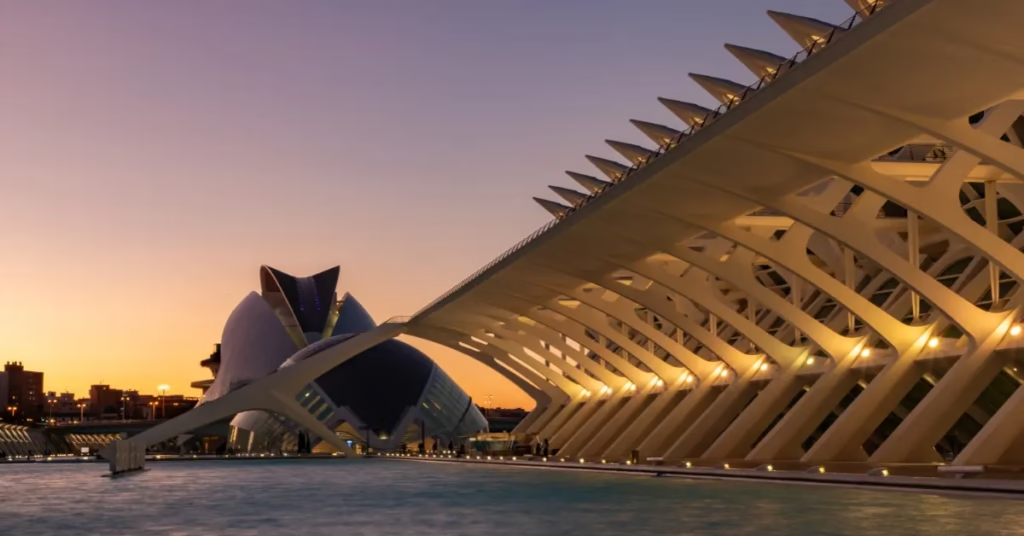
Valencia seamlessly blends historic charm with modern design, offering something for every traveler.
The city has a relaxed coastal vibe, yet it’s also full of creativity and innovation. As you walk through Valencia, you’ll notice how effortlessly ancient architecture sits beside sleek futuristic buildings, creating a contrast that feels unique to this region of Spain. It’s a place where you can enjoy slow mornings, artistic afternoons, and lively evenings all in one day. A Spain Travel Guide.
Highlights:
City of Arts and Sciences:
A futuristic complex featuring interactive museums, a planetarium, and one of Europe’s largest aquariums perfect for families and architecture lovers.
This vast cultural complex is a masterpiece of modern design. You can spend hours exploring hands-on exhibits at the science museum, watching ocean life up close at the Oceanogràfic, or simply admiring the bold white structures reflected in shallow blue pools. It’s especially beautiful at sunset, when the entire area lights up and becomes a favorite photography spot.
Malvarrosa Beach:
Relax on golden sands just minutes from the city center, or enjoy waterfront cafés and local seafood.
The beach stretches wide and welcoming, with plenty of space to unwind. Whether you’re sunbathing, taking a refreshing swim, or renting a bike to cruise along the promenade, Malvarrosa offers a calm escape from the city buzz. Don’t miss trying a plate of freshly grilled seafood or sipping a cold drink while watching the waves roll in.
Old Town (El Carmen):
Wander through narrow streets adorned with street art, lively tapas bars, and vibrant nightlife.
El Carmen is one of those neighborhoods that invites you to get lost in the best way. Around every corner, you’ll find colorful murals, quirky shops, and historic buildings that have stood for centuries. By evening, the area transforms into a hub of energy, with locals and travelers enjoying tapas, music, and authentic Valencian culture.
Fun Fact:
Valencia is the birthplace of Spain’s national dish. Paella, so don’t miss tasting an authentic serving while visiting.
Traditional Valencian paella is made with rabbit, chicken, and local beans quite different from the seafood versions found in many tourist areas. For the best experience, try it at a local restaurant where it’s cooked slowly over an open flame. It’s more than just a meal here; it’s a proud cultural symbol that brings people together.
Granada – Where History and Mountains Meet
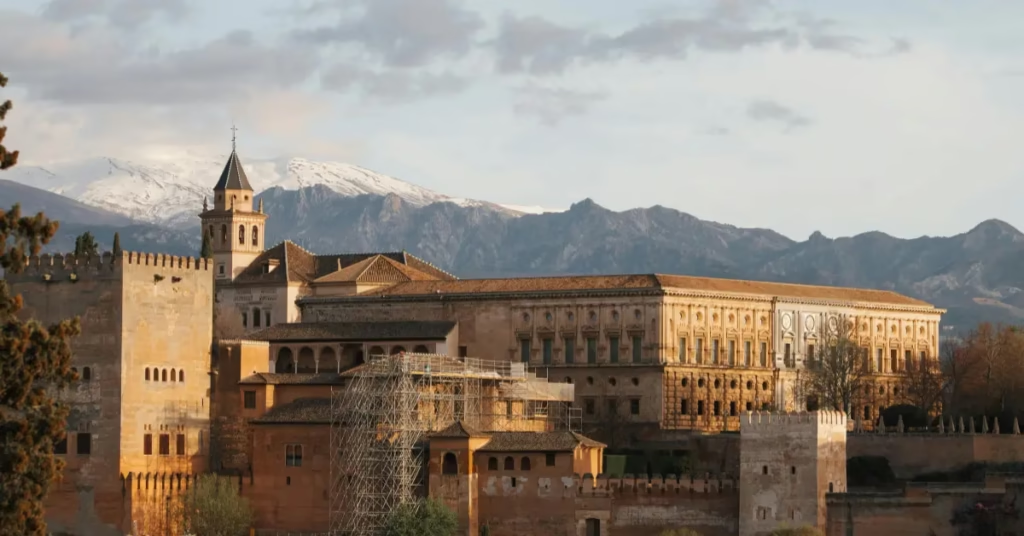
Nestled at the foot of the Sierra Nevada mountains, Granada is a city where Islamic, Jewish, and Christian influences blend beautifully, creating a rich tapestry of history, architecture, and culture.
Granada has a unique atmosphere peaceful yet vibrant, ancient yet full of youthful energy thanks to its student population. As you explore the city, you’ll notice the scent of jasmine, the sound of distant guitar music, and the stunning mix of architectural styles that reflect centuries of cultural coexistence. It’s the kind of place that encourages slow wandering, storytelling, and deep appreciation for its layered past.
Must-See Places:
Alhambra Palace:
Spain’s most famous fortress, a UNESCO World Heritage site, featuring intricate Moorish architecture, lush gardens, and breathtaking views.
Walking through the Alhambra feels like stepping into another world carved stucco walls, peaceful courtyards, and reflective pools that seem to capture the spirit of centuries gone by. The Nasrid Palaces, with their delicate patterns and poetic inscriptions, are especially mesmerizing. Make time to explore the Generalife gardens as well, where flowing water and vibrant greenery create a serene escape.
Albaicín Neighborhood:
Wander through whitewashed houses, narrow alleys, and historic squares, soaking up the city’s medieval charm.
This ancient district is a beautiful maze of cobblestone paths and viewpoints. As you stroll uphill, you’ll find hidden tea houses, small artisan shops, and cafés with terraces overlooking the city. The Albaicín’s blend of Moorish heritage and Andalusian tradition gives it a magical, timeless quality.
Mirador de San Nicolás:
The best viewpoint for sunset views of the Alhambra against the backdrop of the Sierra Nevada.
The atmosphere here is lively yet peaceful musicians often play softly in the background, and people gather to watch the sky shift colors behind the glowing Alhambra. It’s one of Granada’s most unforgettable moments and a must for photography lovers.
Travel Tip:
Tickets for the Alhambra sell out fast book at least 2–3 weeks in advance to secure entry.
Morning slots tend to be cooler and less crowded, giving you more time to appreciate the palace’s details. If you prefer a dramatic atmosphere, consider visiting later in the day when the soft evening light enhances the structure’s beauty.
Bilbao – Basque Country’s Cultural Gem
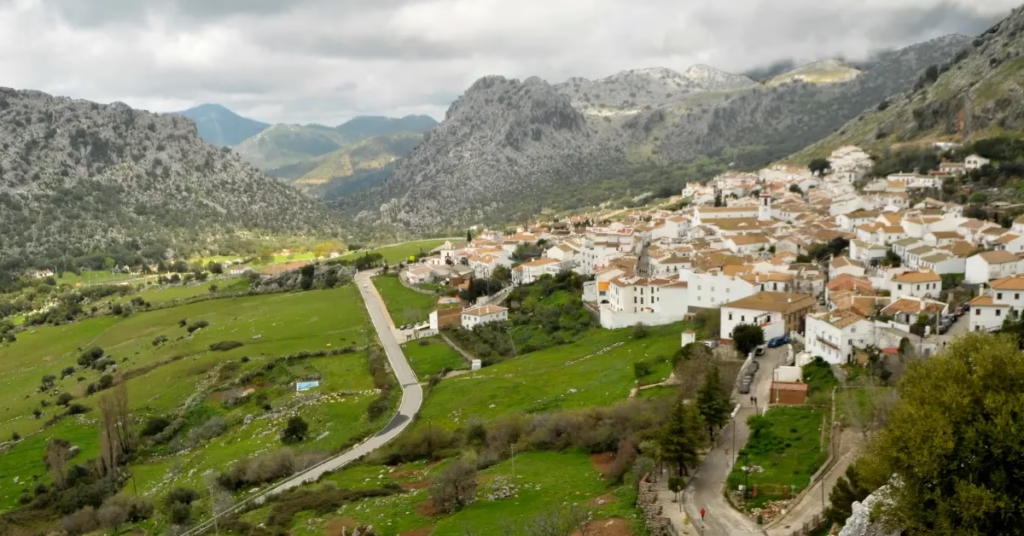
In northern Spain, Bilbao is a city where industrial heritage meets contemporary architecture, offering cultural experiences, culinary delights, and scenic river views.
Bilbao has undergone a remarkable transformation over the past few decades. What was once a heavily industrial city is now a hub of creativity, design, and gastronomy. As you walk through the city, you’ll notice how modern structures blend seamlessly with older buildings, creating a fascinating contrast that reflects Bilbao’s evolution. The atmosphere is welcoming, relaxed, and full of local pride especially when it comes to food.
Highlights:
Guggenheim Museum:
A modern art icon designed by Frank Gehry, with striking architecture and world-class contemporary exhibits.
Even if you’re not usually a museum lover, the Guggenheim is worth a visit for its exterior alone curved titanium panels that shimmer differently depending on the light. Inside, wide open galleries showcase thought-provoking installations and rotating exhibitions. Outside, don’t miss the famous “Puppy” floral sculpture or the giant spider “Mamá,” both popular spots for photos.
Casco Viejo (Old Town):
Explore narrow streets filled with lively tapas bars, traditional markets, and Basque charm.
This historic neighborhood is the heart of Bilbao, where you can wander through the “Seven Streets,” peek into local boutiques, and enjoy small cafés that spill out onto sunny squares. The atmosphere is energetic yet authentic, especially around the Ribera Market one of the largest covered markets in Europe and a must-visit for food lovers.
Zubizuri Bridge & River Walks:
Ideal for evening strolls, photography, and enjoying the reflections of modern and historic buildings along the Nervión River.
The riverside promenade is one of the best places to experience Bilbao’s blend of old and new. As you walk across the sleek white Zubizuri Bridge, designed by Santiago Calatrava, you’ll get a stunning perspective of the skyline. In the evenings, the city lights create beautiful reflections on the water, making it a perfect time for a peaceful walk or sunset photos.
Local Experience:
Don’t miss pintxos, the Basque-style tapas served on small slices of bread, perfect for tasting multiple flavors in one outing.
Pintxo bars are a big part of Bilbao’s culture locals hop from one bar to another, trying different bites paired with local wines or cider. You’ll find everything from traditional options like tortilla and jamón to creative combinations featuring fresh seafood, cheeses, and seasonal ingredients. It’s a fun, delicious way to experience Basque authenticity.
Best Regions & Natural Attractions in Spain
Beyond the cities, Spain offers spectacular natural landscapes. From dramatic mountains and volcanic terrains to pristine beaches and charming villages, each region has its own unique personality. Whether you’re an adventurer, a nature lover, or simply someone who enjoys peaceful scenic views, Spain’s great outdoors never disappoint.
Andalusia
Known for deserts, beaches, and white hilltop villages. Visit Ronda, Córdoba, and Nerja Caves.
Andalusia’s landscapes are incredibly diverse you can explore sandy deserts in Almería in the morning and relax on Costa del Sol beaches by the afternoon. The iconic white villages, like Ronda and Frigiliana, offer breathtaking viewpoints and a peaceful escape into traditional Andalusian life. Don’t miss the Nerja Caves, where towering stalactites and underground chambers create a mystical, otherworldly atmosphere. Andalusia is also home to rich wildlife, especially in Doñana National Park, one of Europe’s most important wetlands.
The Pyrenees
Ideal for hiking, skiing, and mountain biking. The views from Ordesa National Park are jaw-dropping.
The Pyrenees are a paradise for outdoor enthusiasts. Towering peaks, deep valleys, and crystal-clear rivers make this region perfect for year-round adventures. In summer, hikers explore trails that lead to waterfalls, glacial lakes, and panoramic ridges. In winter, the slopes come alive with skiers and snowboarders. Ordesa y Monte Perdido National Park is the crown jewel, its dramatic cliffs and lush forests offer some of the most stunning scenery in Europe. The small mountain villages here add charm with wooden cabins, hearty cuisine, and warm hospitality.
Balearic Islands – Ibiza, Mallorca & Menorca
These Mediterranean islands are perfect for beach holidays, hiking trails, and seaside adventures.
Each Balearic island has its own character. Ibiza is famous for nightlife but also has quiet coves and peaceful hiking routes. Mallorca offers everything from hidden turquoise bays to the Serra de Tramuntana mountains a UNESCO site known for scenic drives and stone-built villages. Menorca is the most tranquil of the three, beloved for its untouched beaches, clear waters, and relaxed atmosphere. Whether you want wellness retreats, boat trips, or coastal walks, the Balearics deliver natural beauty in every corner.
Canary Islands
Off Africa’s coast, the Canary Islands offer volcano hikes, black-sand beaches, and year-round sunshine.
The Canaries feel like a world of their own a blend of volcanic landscapes, lush forests, and stunning coastlines. Tenerife’s Mount Teide, Spain’s highest peak, offers unforgettable sunrise hikes above the clouds. Lanzarote dazzles with its moon-like terrain and artistic touches by César Manrique. Gran Canaria combines dunes, mountains, and charming towns, while La Palma is a dream for stargazing thanks to its clear night skies. With warm weather throughout the year, the Canary Islands are perfect for both adventure and relaxation.
Spanish Food & Culture Highlights
Spain’s culture is best experienced through its food, music, and people.
Must-Try Dishes
Paella – Saffron rice with seafood or chicken.
Tapas – Small plates shared with friends.
Tortilla Española – Traditional potato omelet.
Jamón Ibérico – Aged Iberian ham, a true delicacy.
Music & Festivals
From flamenco in Seville to La Tomatina in Buñol and Running of the Bulls in Pamplona, Spain’s festivals are pure energy and emotion.
Architecture & Art
Gaudí’s surrealism in Barcelona, Moorish palaces in Granada, and modern art in Bilbao. Spain is an open-air museum.
Travel Tips for Visiting Spain for the First Time
Book Tickets Early: Major attractions like the Alhambra and Sagrada Familia require advance booking.
Eat Late: Spaniards dine around 9–10 p.m., so plan accordingly.
Mind the Siesta: Small shops may close in the afternoon.
Stay Connected: Buy a local SIM card or eSIM for easy navigation.
Public Behavior: Greetings are friendly; a “Hola” and smile go a long way.
Suggested Spain Travel Itinerary
Day 1–3: Explore Madrid – museums, Retiro Park, tapas tour.
>Day 4–6: Travel to Seville – visit Alcázar, enjoy flamenco.
>Day 7–9: Granada – explore Alhambra and mountain views.
>Day 10–12: Barcelona – beach, Gothic Quarter, and Gaudí sites.
>Day 13–14: Relax in Valencia before heading home.
Final Thoughts – Spain travel guide
Spain is not just a country. it’s an experience that awakens all your senses. Whether you’re admiring Gaudí’s masterpieces, tasting authentic paella by the beach, or getting lost in a medieval alley, every moment feels alive.
This Spain travel guide is just the beginning. For more travel guides, destination ideas, and adventure tips, visit Path to Places your trusted companion for discovering the world, one unforgettable journey at a time.
