Introduction – Discover the Real, Untouched Spain
When most travelers think of Spain, their minds jump to the buzzing tapas bars of Madrid, the vibrant street art scene of Barcelona, or the sun-soaked beach clubs of Ibiza. But venture beyond these well-trodden tourist trails and you’ll find an entirely different country — one that is calm, culturally rich, and quietly extraordinary. The hidden gems of Spain offer an authentic window into a slower, more soulful way of life, where ancient traditions, dramatic landscapes, and regional flavors remain beautifully untouched by mass tourism.
From medieval hilltop villages and fairytale whitewashed towns to serene vineyards and secluded coastal coves, Spain’s lesser-known destinations are brimming with charm and character. Whether you’re a landscape photographer chasing the perfect golden-hour shot, an avid hiker seeking mountain solitude, a history enthusiast exploring Moorish architecture, or simply a curious traveler craving genuine cultural immersion — this guide will lead you to the secret corners that make Spain truly unforgettable. And if you’re planning a broader Iberian adventure, don’t miss our Complete Travel Guide to Spain for essential trip-planning tips.
1. Ronda – The Dramatic Cliffside Gem of Andalusia
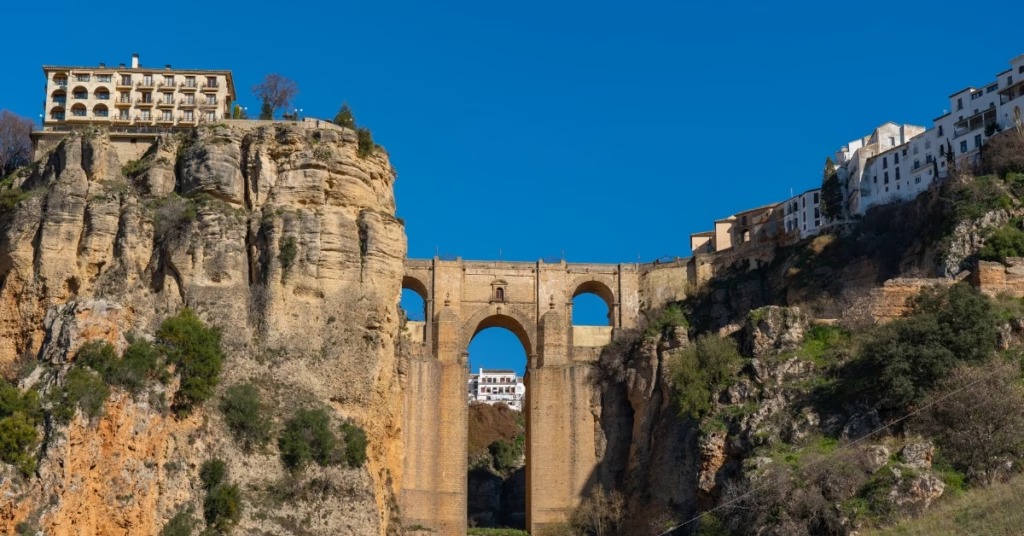
Few places in the Iberian Peninsula capture the sheer drama of Spanish landscape quite like Ronda. Perched dramatically on the edge of the El Tajo Gorge in the heart of Andalusia, this stunning whitewashed hilltop town delivers breathtaking panoramic views, a compelling blend of Roman, Moorish, and Spanish history, and an atmosphere that effortlessly balances adventure with tranquility. Its iconic Puente Nuevo bridge — a masterpiece of 18th-century engineering spanning a 120-metre-deep gorge — creates postcard-perfect scenery that draws photographers and romantics from across the globe.
Despite being one of Andalusia’s most celebrated Pueblos Blancos (White Villages), Ronda retains an authentic local soul that many larger Spanish cities have lost. Stroll through its ancient cobblestone streets, linger over Andalusian cuisine at a cliffside terrace, and let the sheer scale of the gorge remind you why this destination ranks among the most striking underrated towns in Spain.
Top Experiences in Ronda
- Historic Bullring (Plaza de Toros): One of the oldest and most architecturally significant bullrings in Spain, dating back to 1784. The adjacent museum offers a fascinating deep-dive into the history and culture of bullfighting across Andalusia.
- Moorish Quarter Exploration: Wander through narrow, winding alleyways lined with whitewashed facades, ornate tilework, and centuries-old fountains — a living testament to Spain’s rich Islamic heritage.
- El Tajo Gorge Hike: Descend into the gorge via a scenic trail to fully appreciate the sheer scale of the limestone cliffs and catch a spectacular upward view of the Puente Nuevo — a perspective most visitors never see.
- Local Andalusian Cuisine: Savour traditional dishes like rabo de toro (slow-braised oxtail stew), salmorejo (a thick Córdoban tomato soup), and freshly prepared tapas at terraced restaurants overlooking the canyon.
- Seasonal Cultural Festivals: Plan your visit around Semana Santa (Holy Week) or the vibrant Feria de Pedro Romero to experience deeply rooted Andalusian traditions, flamenco performances, and local pageantry at their finest.
Traveler Tip: Staying overnight in Ronda is highly recommended. As day-trippers depart in the late afternoon, the town takes on a magical, quieter character. Sunset over the gorge bathes the cliffs in warm amber light — an unmissable spectacle. Early morning walks through the old town offer peaceful, crowd-free exploration.
2. Alquézar – A Medieval Mountain Village in Aragon
Nestled deep within the dramatic Sierra de Guara mountain range in the autonomous community of Aragon, Alquézar is one of the most enchanting and genuinely off-the-beaten-path hidden gems in Spain. Its honey-coloured stone houses, terracotta rooftops, and the commanding ruins of a Moorish castle rising above the village create a scene that feels lifted straight from a medieval storybook. This is slow travel at its most rewarding.
What makes Alquézar particularly special is its rare combination of cultural heritage and natural adventure. The surrounding canyons, river gorges, and cave systems — many of which fall within the Sierra y Cañones de Guara Natural Park — are UNESCO-recognised landscapes that draw hikers, canyoners, and nature lovers from across Europe and beyond.
Top Experiences in Alquézar
- Canyoning and White-Water Adventures: Navigate the stunning turquoise waters of the Río Vero canyons — a world-class canyoning destination offering routes for beginners through to advanced thrill-seekers.
- Pasarelas de Alquézar: Walk the dramatic suspended walkways that cling to sheer canyon walls above the river, offering vertiginous views of the emerald gorge below — one of Spain’s most exhilarating hiking experiences.
- Collegiate Church of Santa María: Explore this beautifully preserved Romanesque church, built upon the foundations of the original Moorish fortress, featuring remarkable Romanesque murals and a serene cloister.
- Medieval Village Wandering: Get purposefully lost in Alquézar’s labyrinthine alleyways, discovering artisan workshops, local honey producers, and panoramic viewpoints at every turn.
- Rock Climbing: The limestone cliffs surrounding the village offer some of the finest sport climbing routes in northern Spain, attracting climbers from across the continent.
Traveler Tip: Visit between April and June or September and October for the most comfortable hiking conditions and fewer visitors. Accommodation in the village is limited, so book well in advance, especially during Spanish national holidays. For those who love discovering hidden mountain destinations, our guide to Bali’s Most Underrated Trail Adventure offers similar off-the-beaten-path inspiration.
3. Cudillero – The Colourful Fishing Village of Asturias
Perched dramatically above a natural harbour on Spain’s rugged Green Coast (Costa Verde) in Asturias, Cudillero is perhaps the most photogenic fishing village in the entire country. Brightly painted houses in shades of yellow, pink, blue, and terracotta cascade down the steep hillside like a vivid amphitheatre, all converging at a bustling harbour filled with working fishing boats. It is a scene of pure, unfiltered authenticity.
Unlike the overdeveloped resort towns of the Mediterranean coast, Cudillero remains deeply rooted in its maritime identity. The local fishing fleet still supplies the village’s restaurants with the freshest Atlantic seafood, and the rhythms of daily life here feel refreshingly unchanged by modern tourism.
Top Experiences in Cudillero
- Fresh Seafood Dining: Feast on pixín (monkfish), percebes (barnacles), and grilled sardines at the waterfront restaurants — the seafood here is among the finest in northern Spain.
- Mirador del Pito Viewpoint: Hike up to this elevated lookout point above the village for the classic panoramic photograph of Cudillero’s colourful houses spilling down to the sea.
- Coastal Walks and Cliff Trails: Explore the surrounding coastline on foot, discovering hidden coves, sea stacks, and dramatic Atlantic cliffs characteristic of Asturian landscapes.
- La Amuravela Festival: If visiting in late June, witness this unique local festival where villagers parade in traditional costumes and perform satirical speeches in the old Asturian dialect — a truly rare cultural experience.
Traveler Tip: Cudillero is best explored on foot — the village is largely inaccessible by car due to its steep, narrow streets. Stay at least one night to enjoy the harbour atmosphere after day visitors have left. The surrounding Asturian countryside, with its green rolling hills and apple orchards, is perfect for leisurely drives and cider-house visits.
4. Sigüenza – Spain’s Forgotten Medieval City
Located in the largely overlooked region of Castilla-La Mancha, just a two-hour drive from Madrid, Sigüenza is one of Spain’s most rewarding yet least-visited medieval cities. Dominated by a formidable 12th-century castle — now converted into a luxury Parador hotel — and boasting a magnificent Romanesque-Gothic cathedral, Sigüenza offers a richly layered historical experience without the tourist crowds that overwhelm more famous destinations.
Often described as a secret gem of inland Spain, Sigüenza’s well-preserved old quarter features Romanesque churches, Renaissance palaces, and quiet plazas that invite slow, contemplative exploration. It is the kind of place where you can genuinely feel the weight of centuries of Spanish history beneath your feet.
Top Experiences in Sigüenza
- Sigüenza Cathedral: A stunning fusion of Romanesque and Gothic architectural styles, home to the celebrated Sepulcro del Doncel — a 15th-century alabaster tomb considered one of the finest examples of medieval funerary sculpture in Europe.
- Castillo de Sigüenza (Parador): Even if you’re not staying overnight, visit the castle for its impressive interiors, medieval courtyard, and sweeping views over the terracotta rooftops of the old town.
- Medieval Market Events: Sigüenza hosts one of central Spain’s most atmospheric medieval markets, typically held in late August, featuring jousting, artisan crafts, and period costumes.
- Río Henares Valley Hiking: Explore the scenic river valley surrounding the city on well-marked walking trails through Castilian countryside dotted with wildflowers and bird life.
Traveler Tip: Sigüenza is easily accessible by direct train from Madrid’s Chamartín station, making it an ideal day trip or weekend escape from the capital. However, an overnight stay allows you to experience the magical tranquility of the town after dark, when the cathedral and castle are beautifully illuminated.
5. Vejer de la Frontera – Andalusia’s Most Atmospheric White Village
Perched high above the Costa de la Luz on a dramatic hilltop in the province of Cádiz, Vejer de la Frontera is widely regarded by those in the know as the most atmospheric and beautiful of all Andalusia’s celebrated Pueblos Blancos. Its dazzling whitewashed walls, labyrinthine Moorish street layout, flower-draped balconies, and sweeping views across the rolling Cadiz countryside to the distant Atlantic Ocean create an atmosphere of timeless Andalusian romance.
Unlike some of its more tourist-heavy counterparts, Vejer maintains a genuine local community feel, with independent tapas bars, artisan boutiques, and a creative arts scene that has quietly attracted a community of international artists and writers. It represents the very best of authentic southern Spain — unhurried, beautiful, and deeply soulful. Travelers who love discovering romantic coastal destinations will also appreciate our guide to the Best Beaches for Honeymoon for nearby Costa de la Luz inspiration.
Top Experiences in Vejer de la Frontera
- Sunset at the Castle Walls: Position yourself at the ancient Moorish castle ramparts as the sun descends toward the Atlantic — the resulting light show over the white rooftops is extraordinarily beautiful.
- Tapas Trail Through the Old Town: Follow the winding streets from bar to bar, sampling local specialties including atún de almadraba (bluefin tuna caught using ancient net-fishing techniques) and local manzanilla sherry.
- Beaches of Costa de la Luz: The nearby Atlantic coastline offers some of Andalusia’s finest and least crowded beaches, including Playa de El Palmar — a vast, wild stretch of sand perfect for surfing and long walks.
- Cooking Classes: Several local chefs offer hands-on Andalusian cooking workshops focusing on traditional recipes using locally sourced ingredients — a wonderful way to connect with regional food culture.
- Bolonia Roman Ruins (Baelo Claudia): Just 30 minutes away, these remarkably well-preserved Roman ruins sit directly on the beach — one of the most surreal and memorable archaeological sites in Spain.
Traveler Tip: Vejer is best visited in spring (April–June) or early autumn (September–October) when temperatures are pleasant and the town is at its most vibrant. The village is entirely walkable, but wear comfortable shoes — the steep, cobbled streets demand it.
6. Ainsa – A Gem of the Spanish Pyrenees
Perched on a rocky promontory at the confluence of the Ara and Cinca rivers in the Aragonese Pyrenees, the medieval walled town of Ainsa is one of the most perfectly preserved historic settlements in all of Spain — and one of the least visited by international travelers. Its vast, arcaded central plaza (Plaza Mayor), Romanesque church, and 11th-century castle walls have remained virtually unchanged for centuries, creating an almost cinematic sense of stepping back in time.
Ainsa serves as an excellent base for exploring the stunning Ordesa y Monte Perdido National Park — one of Spain’s oldest and most spectacular protected natural areas, featuring towering limestone peaks, deep glacial canyons, and exceptional alpine biodiversity. It is a destination that perfectly marries cultural heritage with outdoor adventure.
Top Experiences in Ainsa
- Plaza Mayor Exploration: Spend time in one of the most beautiful medieval squares in Spain, surrounded by Romanesque arcades, stone towers, and traditional mountain architecture.
- Ordesa Canyon Hiking: Access world-class hiking trails within Ordesa y Monte Perdido National Park, ranging from gentle valley walks to challenging ascents of the Monte Perdido massif (3,355m).
- Pyrenean Gastronomy: Sample robust mountain cuisine including slow-roasted lamb, wild mushroom dishes, locally produced cheeses, and Somontano wines in Ainsa’s excellent restaurants.
- Via Ferrata Climbing: The surrounding Pyrenean terrain offers numerous via ferrata routes suitable for adventurous travelers of varying experience levels.
- Castle and Walls: Explore the restored 11th-century castle, now housing a regional museum, and walk the ancient defensive walls for panoramic views of the river valleys and mountain peaks beyond.
Traveler Tip: Ainsa is a year-round destination — summer brings hiking and outdoor adventure, while winter transforms the surrounding Pyrenees into a world-class skiing destination. The town itself is small, so book accommodation early during peak seasons. Adventure seekers heading to mountain destinations may also enjoy our guide to Hiking the Lost City in Colombia for another remarkable trekking experience.
Planning Your Spain Off-the-Beaten-Path Adventure
Discovering Spain’s hidden gems requires a slightly different approach to conventional tourism. Here are some practical tips to help international travelers make the most of these lesser-known Spanish destinations:
Best Time to Visit
- Spring (April–June): Ideal for most regions — mild temperatures, blooming wildflowers, and quieter roads. Perfect for hiking, cycling, and outdoor exploration.
- Autumn (September–October): Harvest season in wine regions, pleasant temperatures, and beautiful golden light. One of the best times to visit both northern and southern Spain.
- Winter (November–February): Fewer tourists, lower prices, and a unique, atmospheric experience in Andalusian white villages. The Pyrenean towns offer excellent skiing conditions.
- Summer (July–August): Hot and busy in southern Spain, but northern regions (Asturias, Aragon, Pyrenees) remain pleasantly cool and relatively uncrowded.
Getting Around
- Renting a car is strongly recommended for exploring rural Spain — many of these hidden villages have limited or no public transport connections.
- Spain’s high-speed rail network (AVE) connects major cities efficiently, but local buses and regional trains are necessary for accessing smaller towns.
- Road conditions throughout Spain are generally excellent, and self-driving allows maximum flexibility for spontaneous detours and discovery.
Cultural Etiquette for International Visitors
- Embrace the Spanish siesta culture — many small businesses, restaurants, and attractions close between approximately 2pm and 5pm.
- Dinner is eaten late in Spain — typically between 9pm and 11pm. Attempting to eat at 6pm or 7pm may result in finding restaurants closed or empty.
- Learning a few basic Spanish phrases is genuinely appreciated by locals in rural areas, where English is less widely spoken than in major tourist cities.
- Dress modestly when visiting churches, cathedrals, and religious sites — shoulders and knees should be covered.
Final Thoughts – Why Spain’s Hidden Gems Deserve Your Time
Spain is infinitely more than its famous cities and celebrated coastlines. Its true soul — its most authentic, moving, and memorable character — lives in these overlooked villages, mountain towns, and secret countryside corners. From the vertiginous gorge of Ronda and the medieval perfection of Ainsa to the colourful harbour of Cudillero and the white-walled romance of Vejer de la Frontera, Spain’s hidden gems reward the curious traveler with experiences that simply cannot be replicated in more crowded destinations.
If you’re already dreaming of your next European adventure, explore our guide to the Best Things to Do in Barcelona to complement your off-the-beaten-path Spain itinerary with a few days in one of Europe’s most dynamic cities. The perfect Spanish journey balances the iconic with the intimate — and these hidden gems provide exactly that.
